Considering a Loft Conversion? Here's What Buyers Need to Know
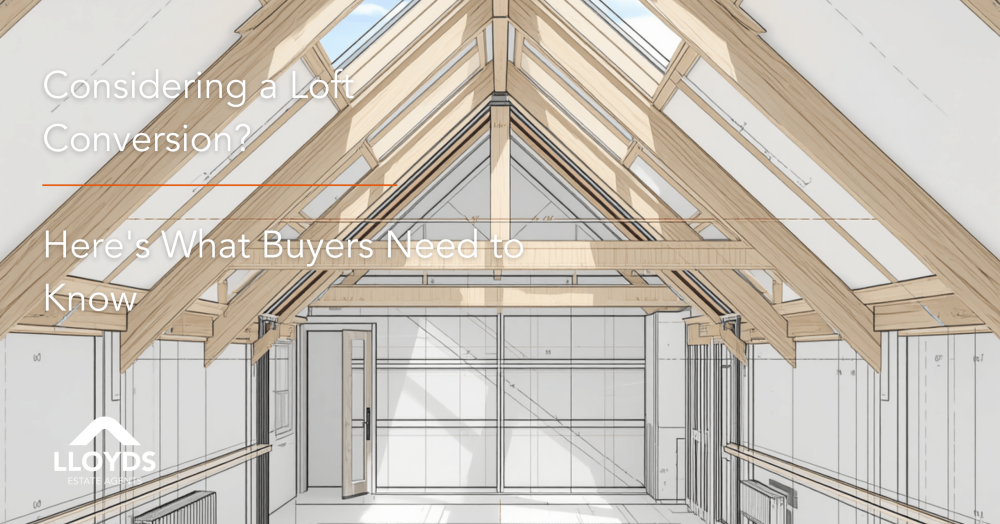
Dreaming of more space without moving? A loft conversion could be your perfect solution. It's a fantastic way to add value and functionality to your home, but what does the process really involve? Let's explore.
Many buyers are on the lookout for homes with potential, and a loft conversion often tops the list for adding significant space and value. But if you're considering a property with an unconverted loft, or thinking about undertaking one yourself, it's wise to understand the journey ahead. Moving home doesn't have to be stressful, and understanding the process can make it much easier together.
Before you even think about designs, the first step is to assess if your loft is a good candidate. Not all lofts are created equal! Here are a few things to consider:
- Head Height: You'll ideally need at least 2.2 to 2.4 metres of usable head height at the highest point (usually the ridge beam). This allows for the new floor and ceiling structures.
- Roof Structure: Older homes often have traditional cut roofs, which are generally easier to convert as the internal supports can be modified. Newer homes might have trussed roofs, which require more complex structural alterations.
- Pitch and Footprint: A steeper roof pitch and a larger floor area will naturally offer more potential for a spacious conversion.
We always recommend getting a professional survey or speaking to a specialist loft conversion company early on. They can give you honest advice, no jargon, on your loft's potential.
So, you've decided your loft has potential. What happens next? Here's a general overview of the process:
1. Planning and Design
This is where your vision starts to take shape. You'll work with an architect or a design-and-build company to draw up plans. This includes deciding on the type of conversion (Dormer, Velux, Hip-to-Gable, Mansard), the layout, and how it will integrate with the rest of your home. Remember, putting people before property means designing a space that truly works for your lifestyle.
2. Planning Permission and Building Regulations
Many loft conversions fall under 'permitted development' rights, meaning you might not need full planning permission. However, there are strict criteria, especially if you're altering the roofline significantly or live in a conservation area. Regardless, all loft conversions must comply with Building Regulations, covering structural integrity, fire safety, insulation, and access. Your architect or builder will guide you through this, ensuring everything is above board.
3. Structural Work
This is the core of the conversion. It involves strengthening the floor, installing new beams, and often altering the roof structure. This stage can be a bit disruptive, but it's essential for creating a safe and sturdy new living area.
4. First Fix and Insulation
Once the main structure is in place, the 'first fix' begins. This includes installing plumbing, electrical wiring, and heating. Insulation is also crucial here, ensuring your new space is warm in winter and cool in summer, and meets energy efficiency standards.
5. Second Fix and Finishing
This is where your loft starts to look like a room! Plasterboarding, fitting doors and windows, installing staircases, and adding skirting boards and architraves. Finally, the decorating begins – painting, flooring, and adding those personal touches that make it feel like home.
- Cost: Loft conversions are a significant investment. Get detailed quotes and factor in a contingency budget for unexpected issues.
- Disruption: While builders try to minimise inconvenience, there will be noise and dust. Consider how this might impact your daily life.
- Staircase Location: This is vital for access and often impacts the layout of the floor below. Think about how it will flow with your existing home.
- Natural Light: Maximise natural light with well-placed windows or dormers to create a bright, inviting space.
- Storage: Even with a conversion, clever storage solutions are key to keeping your new space tidy and functional.
A loft conversion can truly transform a property, offering extra bedrooms, a home office, or a fantastic family space.
It's about making moving simpler, smoother, and a little more awesome. We listen, we care, we deliver, and we're here to help, every step of the way, whether you're buying a home with conversion potential or planning one yourself. Your trusted local experts are always ready to chat.