Gas Safety Certificates: Your Essential Guide as a Landlord
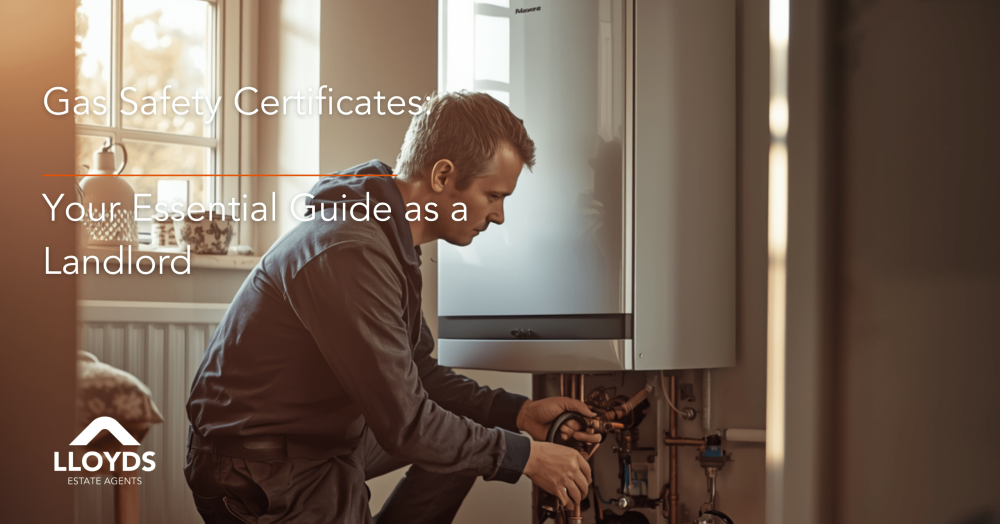
As a landlord, ensuring your tenants' safety is paramount, and gas safety is a big part of that. Let's demystify Gas Safety Certificates, explaining what they are, why they're legally required, and how they keep everyone safe.
Ever wondered about those Gas Safety Certificates and what they really mean for you as a landlord? It's a common question, and we're here to give you the honest advice, no jargon, to help you understand this crucial aspect of property management.
Think of a Gas Safety Certificate, often known as a CP12, as a health check for all gas appliances in your rental property. This includes boilers, gas fires, and cookers. It's a document issued by a Gas Safe registered engineer after they've thoroughly inspected your gas appliances and pipework to ensure they are working safely and efficiently. It confirms that everything is in good working order and poses no risk to your tenants.
This isn't just a suggestion; it's the law. Under the Gas Safety (Installation and Use) Regulations 1998, landlords have a legal duty to ensure all gas appliances, fittings, and flues provided for tenants are safe. This means:
- Annual Safety Checks: Every gas appliance and flue in your rental property must be checked annually by a Gas Safe registered engineer.
- Certificate Provision: You must provide a copy of the Gas Safety Certificate to your existing tenants within 28 days of the check, and to any new tenants before they move in.
- Record Keeping: You need to keep records of these safety checks for at least two years.
Failing to comply with these regulations isn't just a risk to your tenants' safety; it can lead to severe penalties, including hefty fines or even imprisonment. We're here to help, every step of the way, to ensure you meet these obligations and keep your tenants safe.
Beyond the legalities, Gas Safety Certificates are fundamentally about protecting lives. Faulty gas appliances can lead to serious dangers such as gas leaks, fires, and carbon monoxide poisoning. Carbon monoxide is particularly insidious because it's a silent killer; it's odourless, colourless, and tasteless, making it impossible to detect without an alarm. A valid CP12 ensures that a qualified professional has checked for these risks, giving you and your tenants peace of mind. Putting people before property means prioritising their well-being above all else.
As mentioned, gas safety checks must be carried out every 12 months. It's a yearly commitment to safety. We recommend scheduling your inspection well in advance of the expiry date to ensure there's no lapse in coverage. Many landlords choose to arrange it around the same time each year to make it easier to remember.
During the inspection, a Gas Safe registered engineer will:
- Check gas appliances for gas tightness.
- Examine the standing and working pressure.
- Check burner pressure and gas rates against the manufacturer's data plate.
- Ensure satisfactory provision of all necessary ventilation.
- Test flue flow to ensure removal of products of combustion.
- Check the satisfactory operation of all flame failure devices.
- Inspect for any evidence of unsafe operation.
- Provide a full record of the inspection.
This thorough check ensures that every component is functioning correctly and safely.
Managing a rental property comes with responsibilities, but it doesn't have to be stressful. By staying on top of your gas safety obligations, you're not only complying with the law but also demonstrating genuine care for your tenants. We believe moving home doesn't have to be stressful – let's make it easier together. Our team of trusted local experts is always here to offer guidance and support, ensuring you have all the information you need to be a responsible and successful landlord.
Got questions about gas safety or any other landlord responsibilities? We're here to help – just get in touch anytime.
We listen. We care. We deliver.