Understanding FRAEW: Your Guide to Fire Safety for Leasehold Properties
Navigating the world of leasehold property can sometimes feel a bit complex, especially when fire safety comes into play. If you're buying or selling a leasehold home, you might have heard of FRAEW. Let's demystify it together.
Moving home should feel personal, not transactional, and that's why we're here to help you understand important aspects like FRAEW. It's all about ensuring your peace of mind and making your property journey smoother, more human, and exciting. So, what exactly is FRAEW, and why does it matter for leasehold properties?
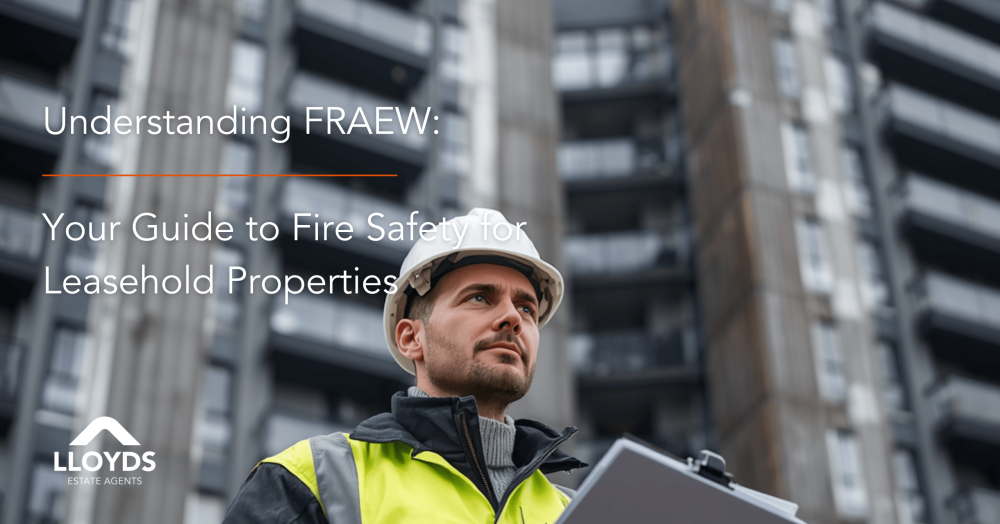
FRAEW stands for Fire Risk Appraisal of External Walls. In simple terms, it's a detailed assessment of the fire safety risks associated with the external walls of a multi-storey, multi-occupied residential building. Think of it as a thorough health check for a building's exterior, specifically looking at how it would perform in a fire.
This appraisal became particularly significant following the Grenfell Tower tragedy, which highlighted critical issues with cladding and external wall systems. The government introduced new guidance and legislation to ensure buildings are safe, and FRAEW is a key part of that.
If you own a leasehold flat, you don't own the building's structure, but you are directly affected by its safety. A FRAEW report assesses the risk to residents from a fire spreading via the external walls. It's crucial for both your safety and the marketability of your property.
For years, the EWS1 form (External Wall System Fire Review) was the go-to document. While EWS1 is still used, FRAEW is a more comprehensive and detailed assessment, often required for buildings that don't fit the EWS1 criteria or where more in-depth analysis is needed. It's about getting to the bottom of any potential issues and finding solutions.
So, what does a FRAEW involve? It's a multi-step process, typically carried out by a qualified fire engineer. Here's a simplified breakdown:
- Initial Assessment: The engineer reviews existing building plans, construction details, and any previous fire safety reports.
- On-Site Inspection: A detailed inspection of the external walls, including cladding, insulation, balconies, and fire breaks, is conducted. This might involve intrusive investigations, where small sections of the wall are opened up to see the underlying materials.
- Risk Analysis: Based on the findings, the engineer assesses the fire risk, considering factors like the height of the building, the materials used, and the presence of any combustible elements.
- Report Generation: A comprehensive report is produced, outlining the findings, identifying any risks, and recommending remedial actions if necessary. This report will state whether the external walls are safe or if work is required.
- Remedial Works (if needed): If risks are identified, the report will recommend specific works to make the building safe. This could range from minor repairs to significant cladding replacement.
We know this sounds like a lot, but remember, we're here to help, every step of the way. Our commitment is to transparency and follow-through, keeping you informed with honest updates.
This is where FRAEW can become a significant factor in your property journey. Here are some common scenarios:
- Delays in Sale: If a FRAEW report is required and not yet available, or if it identifies significant issues, it can cause considerable delays in the sale process. Lenders often require a satisfactory FRAEW before approving a mortgage on a leasehold property.
- Cost of Remedial Works: If the FRAEW identifies that remedial works are needed, the question of who pays for these can be complex. Historically, leaseholders faced huge bills, but new government protections and funding schemes are in place to shield leaseholders from these costs for certain types of buildings and works. However, understanding the specifics for your building is crucial.
- Valuation Impact: Properties in buildings with unresolved fire safety issues or ongoing remedial works might see a temporary impact on their valuation.
- Mortgage Availability: Some lenders may be hesitant to lend on properties in buildings without a satisfactory FRAEW, or where significant works are outstanding and funding is not yet secured.
It's a place that feels like home the moment you walk in, and we want to ensure you can move forward with confidence. This is why understanding FRAEW is so important.
As your trusted local experts, we believe in putting people before property. If you're considering buying or selling a leasehold property, especially in a multi-storey building, here's our advice:
- For Sellers: If your building hasn't had a FRAEW or EWS1, speak to your building management company or freeholder as soon as possible. Having the necessary documentation in place will significantly smooth your sale process. Be prepared to provide all relevant fire safety documentation to potential buyers and their lenders.
- For Buyers: Always ask about the external wall fire safety of any leasehold property you're interested in. Request to see the FRAEW report or EWS1 form. Your solicitor will conduct these checks, but being proactive helps. Understand the implications if remedial works are needed and who is liable for the costs.
Moving home doesn't have to be stressful – let's make it easier together.
We listen. We care. We deliver. Our genuine, human connection means we're here to guide you through these complexities, ensuring you feel confident and comfortable, not confused or rushed.
Got questions about FRAEW or your next move? We're here to help – just get in touch anytime. Looking for expert advice tailored to your neighbourhood? Contact our team – we'd love to chat.